The Future of Youth Skills is Project Based
Technical skills help young people prepare for the future of work. Project-based learning helps them apply that knowledge, build durable skills and turn ideas into action.

The conversation about youth skills often centers on what young people need to thrive in work and life. Today, that means preparing for a world shaped by artificial intelligence, economic uncertainty and rapid technological change.
Technical skills — digital literacy, AI fluency and emerging workforce competencies — will help shape the jobs of tomorrow. But technical skills alone are not enough.
The future will also belong to individuals who can adapt, collaborate, solve problems and drive meaningful change. These are the durable skills that remain valuable regardless of how technology evolves. Increasingly, they are the skills that drive economic mobility, resilience and social impact.
Technical skills matter. Project skills make them usable.
A young person may learn coding, engineering, entrepreneurship, environmental science or financial literacy. But knowledge alone does not automatically create change.
Turning knowledge into action requires a different set of capabilities:
- Defining a goal
- Creating a plan
- Managing time and resources
- Working with others
- Adjusting when circumstances change
- Learning from setbacks
- Delivering results
These are project skills.
Project management provides a practical framework for helping young people move from "I have an idea" to "I know how to make that happen."
The ability to organize work, manage uncertainty, collaborate effectively, and persevere through challenges is increasingly valuable in every sector and profession — whether a young person is developing an invention, launching a community project or managing their coursework.
The future of work will reward adaptability, collaboration, and resilience
Some of the most important skills for the future are not tied to a specific technology or industry. They are the human skills that help people navigate change.
Young people entering today's workforce will likely experience multiple career transitions, evolving job roles and technologies that have not yet been invented. Success will depend not only on what they know, but on their ability to work with others, adapt, and continue moving forward when the path is unclear.
Project-based learning helps develop these capabilities. When young people learn how to break large goals into manageable steps, collaborate with stakeholders, manage competing priorities, and adjust when plans change, they are building confidence and resilience alongside technical competence.
Young innovators are already leading through projects
One of the most encouraging lessons from PMI Educational Foundation partners around the world is that young people are not waiting for permission to solve problems. They are already identifying challenges in their communities, testing ideas, building solutions, and learning through action.
Often, they are practicing project management long before they know the term. Through entrepreneurial ventures, financial literacy programs, sustainability projects and STEM/STEAM education, young people are learning how to transform ideas into achievable goals, manage limited resources, collaborate with peers and measure progress.
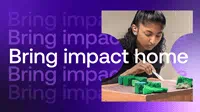
Naomi Nordeen, a student from Pennsylvania, discovered project management through STEM Racing (formerly F1 in Schools), a PMI Educational Foundation grantee. STEM Racing introduces students to STEM through the design, manufacture and racing of miniature Formula 1 cars — PMIEF’s partnership brought project management as an essential component of the competition. As project manager for her all-girl team, Redemption Racing, Naomi created tasks, timelines and risk reports, managed the budget and helped keep the team on track.
Those skills carried beyond the competition. Naomi has said project management helped her manage her time, succeed academically and prepare for college studies that combine business and engineering. Her story shows how project-based learning can build both practical skills and the confidence to lead.
PMIEF partners use project-based learning to help young people practice these skills in real programs, with real goals, constraints and outcomes. That is where long-term impact begins.
Skills development works best as an ecosystem
Preparing young people for the future takes an ecosystem of educators, employers, nonprofits, volunteers, certifying organizations, and community leaders working together to create opportunities for learning and application.
Young people need places to practice skills, not just learn about them. Educators and youth-serving organizations can create space for project-based learning. Employers can recognize those experiences as meaningful preparation for the workforce. Project professionals can share their time, experience and perspective as mentors and volunteers. Donors and partners can support programs that make these skills more accessible.
When those pieces come together, young people gain opportunities to lead, experiment, reassess, fail and try again. They build durable skills that remain relevant as work continues to evolve and it is project management that provides the framework to practice in a safe space, where reassessment and lessons learned are expectations.
Helping young people learn how to deliver change
The question is not simply whether young people are developing technical skills. It is whether they are gaining the skills to apply those talents in ways that create meaningful outcomes.
The challenges facing the next generation are complex, but the opportunity is significant. By helping young people develop the confidence to plan, collaborate, adapt and lead, we prepare them to do more than enter the workforce. We prepare them to turn ideas into action, strengthen communities and keep creating value as the world changes.
Tags: Project Management | Social Impact | PMIEF | Volunteering | Communication
Take action with PMIEF
Help young people build project skills. Access free educational materials, volunteer your time or donate to make project management more accessible to youth worldwide.
Quick answers to common questions about youth project skills
What are project skills for young people?
Project skills help young people turn ideas into action. They include setting goals, creating plans, managing time and resources, working with others, adapting when circumstances change and learning from setbacks.
Why do young people need project skills in addition to technical skills?
Technical skills help young people understand tools, technologies and fields of work. Project skills help them apply that knowledge in real situations, from building a STEM project to launching a community initiative or managing coursework.
How does project-based learning prepare young people for the future of work?
Project-based learning gives young people opportunities to practice adaptability, collaboration, problem-solving and resilience. Those skills remain valuable as industries, technologies and career paths continue to change.
What is PMIEF?
The PMI Educational Foundation (PMIEF) is the philanthropic arm of Project Management Institute (PMI) focused on youth education. PMIEF works with partners and youth-serving nonprofits to make project management skills more accessible to young people and communities around the world.
How can I help young people build project management skills?
PMI Educational Foundation (PMIEF) offers ways to support youth project management education. You can access free educational materials, volunteer your time or donate to programs that make project skills more accessible to young people.
About the Author
Ashley Dalton Forsyth, Ed.D, PMP
Director of Social Impact Programs at PMI
Read More from PMI Blog


Related Insights
How Next-Gen Project Professionals Deliver Positive Social Impact
Unfulfilled employees are quitting—and it’s costly. Learn how internal talent development boosts engagement, reveals potential, and retains top talent.
You May Also Like
Social Impact Initiatives
PMI's Social Impact Programs elevate our world and transform communities through project management by empowering youth and supporting education.

Certification
Project Management Professional (PMP)®
3+ years of experience leading projects

Certification
Certified Associate in Project Management (CAPM)®
No experience required
This certification demonstrates an understanding of the foundational skills that project teams demand.